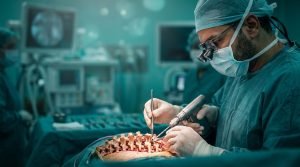
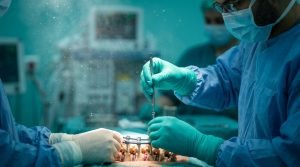
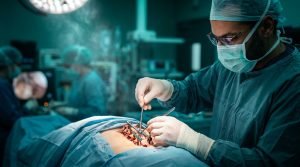
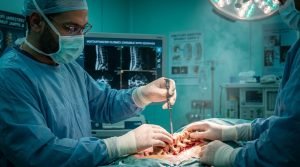
Endoscopic Spine Surgery represents the absolute pinnacle of ultra-minimally invasive technological design. Utilizing high-definition camera probes passing through precise water-channeled scopes, pathology is resected with zero muscle disruption.
Clear, patient-friendly language explaining endoscopic spine surgeries. Google prioritizes E-E-A-T and YMYL. A clean list of warning signs that trigger search intent.
Is general anesthesia mandatory for all endoscopic spine surgery options?
No. Many endoscopic transforaminal procedures can be safely performed under conscious sedation and local specialized blocks, maximizing safety for elderly or high-risk patients.
Are muscles cut during a water-channeled endoscopic spine decompression?
No bone or muscle tissues are severed. The tiny 8mm endoscope naturally glides between muscle fibers, preserving natural biological integrity.
How soon can a patient shower normally after an endoscopic spine operation?
Because the keyhole entry is tiny and secured with advanced medical skin glue, patients can safely shower 48 to 72 hours post-op, following simple dressing guidelines.
Schedule a Private Consultation with Prof. Dr. Hazem